
"Brazilian coffee farming"
2000 article(s) found

A brief introduction to the Origin, Development, History and Culture of a wide variety of Brazilian Fine Coffee beans
There are many large farms in Brazil, which run endless coffee plantations. They use machines to harvest and dry them. They are so efficient in automation that they regard coffee as a general agricultural material and completely abandon the flavor and flavor. As a result, many select coffee companies simply do not sell Brazilian beans so as not to demean themselves. In select coffee shops, Santos in Brazil still appears occasionally.

Brazil Coffee Introduction The world's largest coffee producer
Today, Brazil is the world's largest coffee producer, with around 25% of the world's coffee coming from Brazil, influencing the development of the world's coffee industry. Brazilian coffee is mainly grown in Parana, Santos, Sao Paulo, Minas Gerais and Bahia, where the vast majority of farms are less than ten hectares in size. According to 2000 records: 71% of farms in Minas Gerais are less than

Kenyan Coffee introduces the Cultural process
Kenyan coffee is of Brazilian origin, and the taste of Kenyan beans is very different from that of Brazilian beans due to differences in water, climate and handling. Brazilian coffee is planted at a low altitude, with soft texture and no obvious sour taste. In contrast, Kenyan coffee trees are mainly concentrated on the slopes near Mount Kenya, about 4 to 6500 feet above sea level, which is suitable for coffee beans to develop their flavor, because the mountains

How to make Brazilian Santos Coffee? description of taste and flavor of Brazilian Santos coffee
Professional coffee knowledge exchange more coffee bean information please follow Coffee Workshop (Wechat official account cafe_style) Brazil, the world's largest coffee producer, covers both commercial and boutique coffee, while Brazil accounts for 30 per cent of global coffee usage. In addition to the original conditions such as climate and geographical area, Brazil has created today's huge national income because of coffee industrialization.

A brief introduction to the market price of balanced and supple Brazilian boutique coffee beans
There are many large farms in Brazil, which run endless coffee plantations. They use machines to harvest and dry them. They are so efficient in automation that they regard coffee as a general agricultural material and completely abandon the flavor and flavor. As a result, many select coffee companies simply do not sell Brazilian beans so as not to demean themselves. In select coffee shops, Santos in Brazil still appears occasionally.

Flavor description of Brazilian Yellow bourbon Coffee Bean Variety characteristics Grinding scale production area introduction
Description of the flavor of Brazilian yellow bourbon coffee varieties characteristics grinding scale production area introduction Datra Manor specially selected yellow bourbon coffee, different from the monotonous flavor of ordinary Brazilian beans, this product has excellent acidity. In addition to the nutty aroma of Brazilian beans, the aroma is more lemon and fruity, the flavor is complex and charming, absolutely breaking the impression of Brazilian beans. There is yellow bourbon in throat rhyme.

Brazilian Coffee Bean Variety Characteristics Region Treatment Flavor Description
Professional barista exchanges, please pay attention to coffee workshop (Weixin Official Accounts cafe_style ) Brazilian coffee varieties Although coffee has diversity, Brazilian coffee is suitable for public taste. For example: coffee produced in northern coastal areas has a typical iodine taste, reminiscent of the sea after drinking. This coffee is exported to North America, the Middle East and Eastern Europe. There's also something interesting and worth pursuing.

The flavor of Brazilian coffee beans describes the historical characteristics of taste cultivation.
Professional baristas please pay attention to the coffee workshop (Wechat official account cafe_style) Brazilian coffee taste Brazilian coffee is a low-acidity, medium-roasted coffee beans from the World Coffee Center. As a kind of high-quality coffee, Brazilian coffee can be drunk individually or mixed. ● quality beans: Sangdo-style NO.2, size NO.18 ● flavor characteristics: mild, bitter medium,
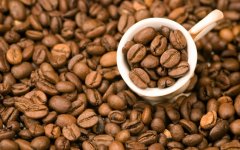
Brazil Coffee processing Diversified Coffee basic knowledge
Brazilian coffee farms choose sun, half-sun or water washing treatments according to the dry and humidity conditions of the climate to show the best regional flavor. Such a pluralistic approach is rare in the world. Before 1999 ⊙, rough tanning was almost always used in Brazil. This is the main culprit for Brazilian beans to be easily infected with the smell of dirt and rotten wood, because coffee fruits are exposed to the sun for two to three weeks.
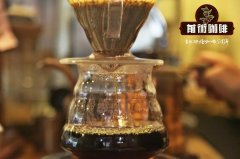
Brazilian Minas Coffee introduction: Minas Matas's road to counterattack
Professional coffee knowledge exchange more information about coffee beans please follow the coffee workshop (Wechat official account cafe_style) Brazil is the world's largest coffee producer, accounting for the world's total output of 1 canap 3. Brazil, which is located in the tropical rainforest, is relatively flat, has few high-altitude mountain forests, and does not have much shade, which makes Brazilian beans grow fast but the coffee is soft.

History, culture, stories and allusions of Brazilian coffee boutique beans
For the exchange of professional baristas, please pay attention to the coffee workshop (Wechat official account cafe_style) the history and culture of Brazilian coffee boutique beans, stories and allusions the Brazilian coffee industry Brazil's main coffee growing area two large bags of coffee beans on coffee plantations in the state of Minas Gerais, taken in the state of Sao Paulo, Brazil's coffee industry accounts for about 1/3 of the world's total output, is the current world.
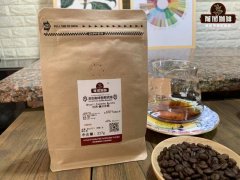
Coffee beans with low acidity are recommended for coffee beans with low acidity.
We know that coffee beans from different countries and regions will have different flavors and tastes, and the different processing methods of coffee beans are also one of the reasons, such as coffee from Ethiopia, whose acidity is good and bright. So when it comes to coffee with low acidity, Front Street Coffee's top recommendation is coffee beans from Brazil. Brazil is not only the largest coffee in the world

The characteristic varieties and flavors of Brazilian Coffee describe the planting History
Professional baristas exchange please follow the coffee workshop (Wechat official account cafe_style) Brazilian coffee characteristics of Brazilian coffee generally refers to the coffee produced in Brazil. There is a wide variety of Brazilian coffee, the vast majority of which are unwashed and sun-dried, classified according to the name of the state of origin and the port of transport. Brazil has 27 states and 17 states produce coffee, but four of them produce the most coffee.

Grading, price, raw beans and baking curve of Brazilian coffee
For the exchange of professional baristas, please follow the coffee workshop (Wechat official account cafe_style) Brazilian coffee individual bean classification, price, raw beans and baking curve traditional wind selection props coffee advanced countries Brazil has not yet exported to Japan there are many kinds of coffee. Due to the domestic road traffic conditions, land transport is difficult, although it can produce fine coffee but can not circulate < CHAPADA DE M

Brief introduction of flavor description and taste quality of Brazilian Minas coffee beans
What are the varieties of Brazilian Minas coffee beans that describe the taste and quality? Brazil has 2 million hectares of land for growing coffee, the largest of which is Arabica. These beans will eventually be sent to large bakers in various countries, that is, the well-known Santos (in the name of the port of export santos, not the producing area). Because of the coffee competition after 2000, the high altitude areas of the south

Introduction to the producing countries of Brazilian coffee beans and the origin of the brand os slimming Coffee Farm.
Brazil coffee bean flavor description treatment method in terms of natural conditions, Brazil is in the tropics, the north is a tropical rain forest climate, hot and humid all the year round, suitable for the growth of tropical crops, coffee trees are sunny crops, sufficient sunlight is the condition for its growth. Historically, Brazil has been a Portuguese colony for a long time. In order to meet the needs of Western Europe, Brazil has been growing single crops for a long time.

Varieties of beans, brand recommendation and manor introduction of Brazilian coffee
The exchange of professional baristas please pay attention to the coffee workshop (Wechat official account cafe_style) Brazilian coffee single bean species, brand recommendation and manor introduction since the 1930s, the research on bean seeds has been limited by congenital conditions, and the Brazilian government has invested a lot of resources to improve varieties and disease resistance since the 1930s. Among them, the results of bean research still affect the planting habits of Latin America as a whole. Like him.


Coffee bean flavor of Fazenda Primavera Manor in Brazil describes which brand of Brazilian coffee is good.
Professional coffee knowledge exchange more coffee bean information please follow the coffee workshop (Wechat official account cafe_style) Fazenda Primavera farm history Leo began to prepare to become a businessman. His grandfather, Aprigio Tavares, works today at the quality lab in Fazenda Primavera, where he brought the little boy home to bake.

Flavor description of Brazilian Minas Coffee introduction to the method of Grinding and Calibration in producing areas
Brazilian Minas Coffee Flavor description characteristics of Brazilian Coffee production region Grinding Calibration method introduction facts have proved that Brazil also has the ability to produce gourmet coffee and small batches of coffee, local boutique coffee can not only be provided by small-scale coffee farmers, the main coffee producing areas in Brazil are Sulde Minas South Minas, Matas de Minas Minas Southeast Mountain Forest, Cerrado